


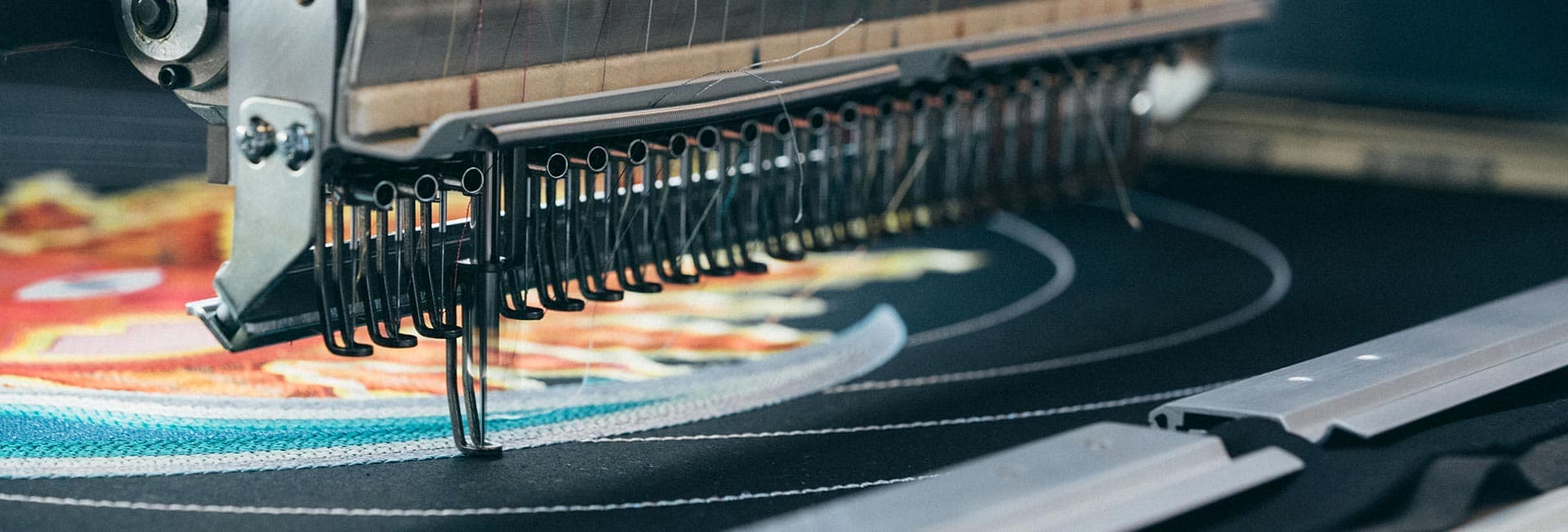
Embroidery machine know-how: heads, hooping, automation, technical embroidery
Ten practical guides for embroiderers, production managers and technical buyers – based on the ZSK knowledge base 05/2026 and written in the language of the embroidery floor.
What will you find here?
This knowledge hub explains how industrial embroidery machines work and which decisions affect quality, output and staffing in your production. Each topic starts with a short definition, explains the technology in practical terms, shows when it matters for your production and answers the most frequent questions. All figures come from ZSK documentation: the knowledge base 05/2026, the general catalog 06/2026 and the CARL magazine.
Know-how topics
Looking for something specific? Start with embroidery heads if you are comparing machine types, with thread tension or thread breaks if you want to improve quality, or with patch production and workplace layout if you want to produce more with the same team.
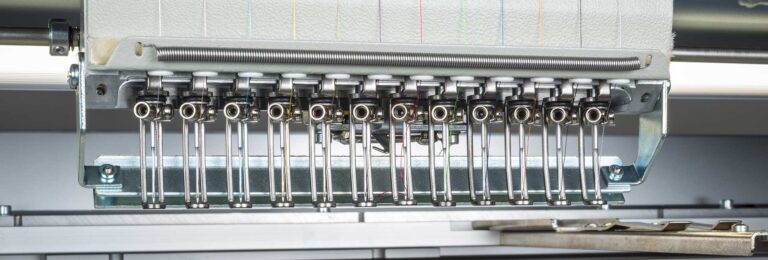
F, R, K and W head compared: needles, speeds, stitch types and what each head is built for.
Read the guide →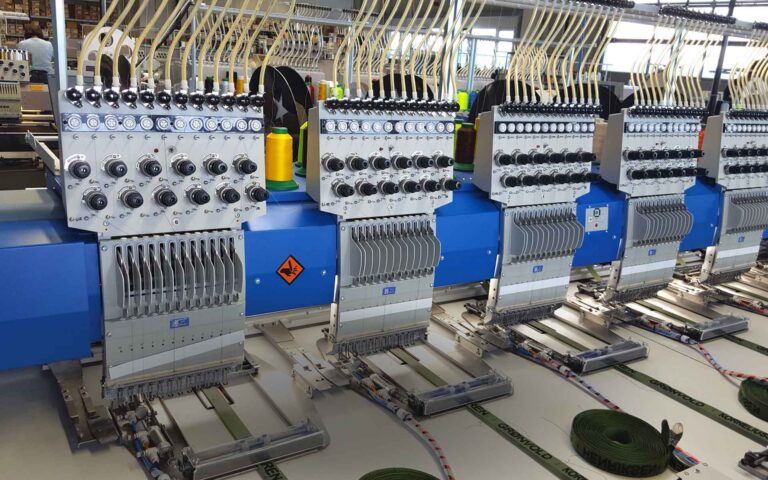
SPRINT, RACER and CHALLENGER compared by concept: flexibility, volume, staffing and floor space.
Read the guide →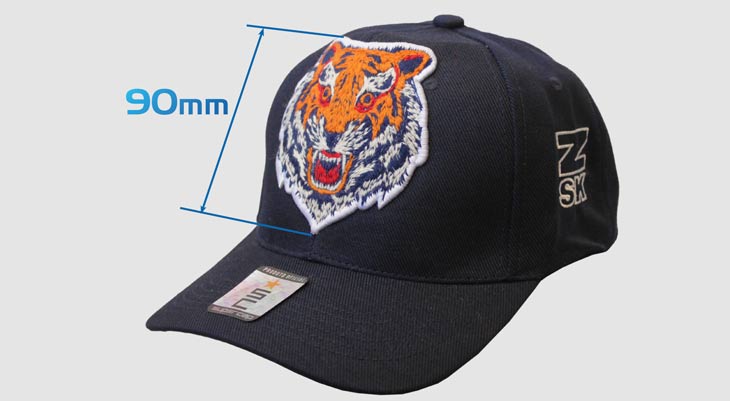
Cap field, premium cap drive, spring-tension cap frame and 3D puff embroidery explained.
Read the guide →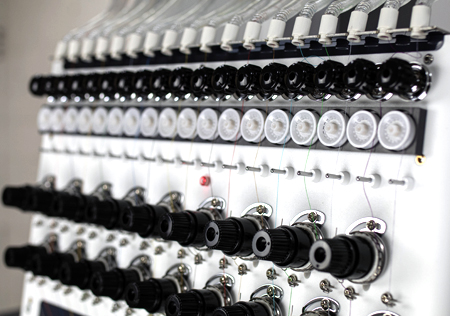
Lockstitch formation, bobbin tension 25–30 g, the 10/70/20 rule and the One-Touch-System.
Read the guide →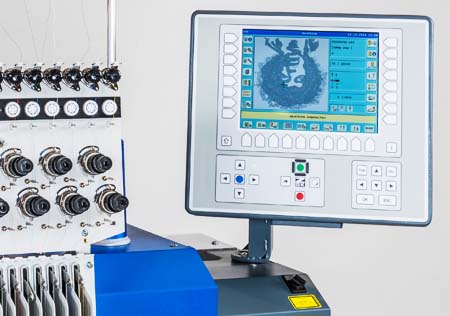
Upper and bobbin thread sensors, selective stitching on multi-heads and less re-threading time.
Read the guide →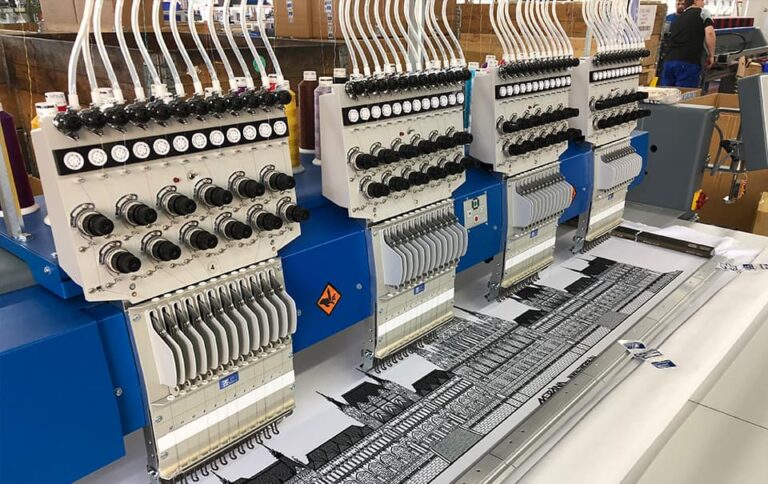
Automatic head switching, double/triple/quadruple field width and H, Z, V combination machines.
Read the guide →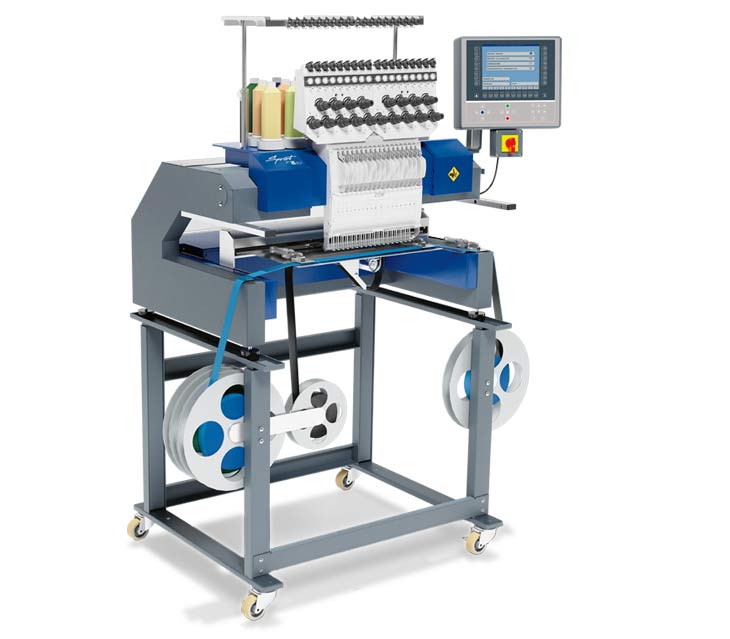
Hook-and-loop patches, Roll2Basket, Roll2Roll, Roll2Cut and inline quality control and laser cutting.
Read the guide →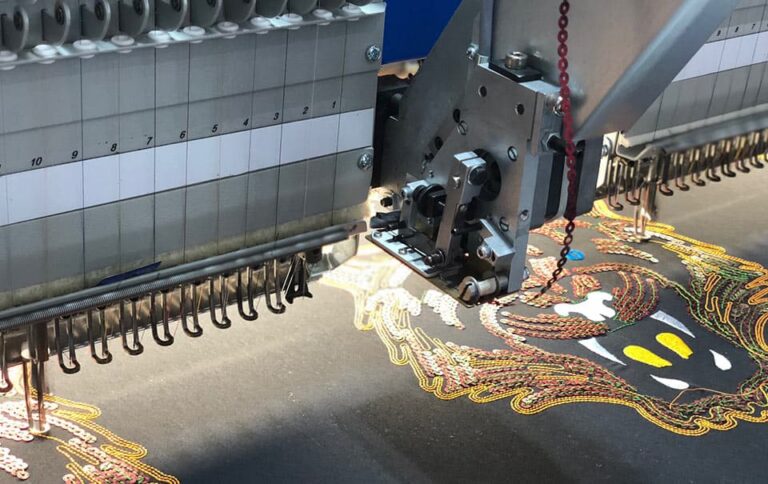
Sequin sizes, bead diameters, twin devices, cord/loop and 3D loop devices – with speeds and limits.
Read the guide →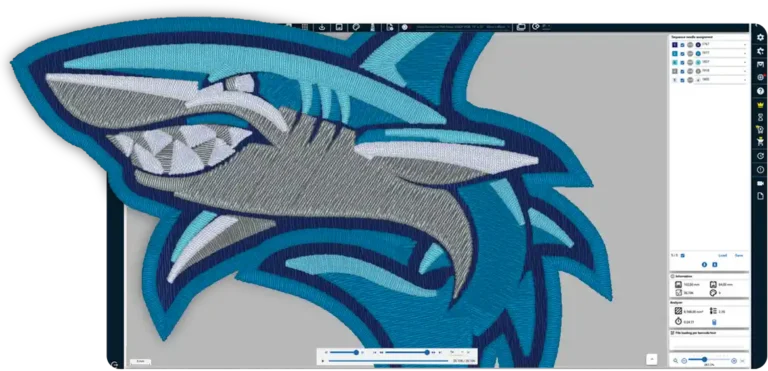
What .z00 stores that .dst does not, which software writes it and how to convert DST to Z00.
Read the guide →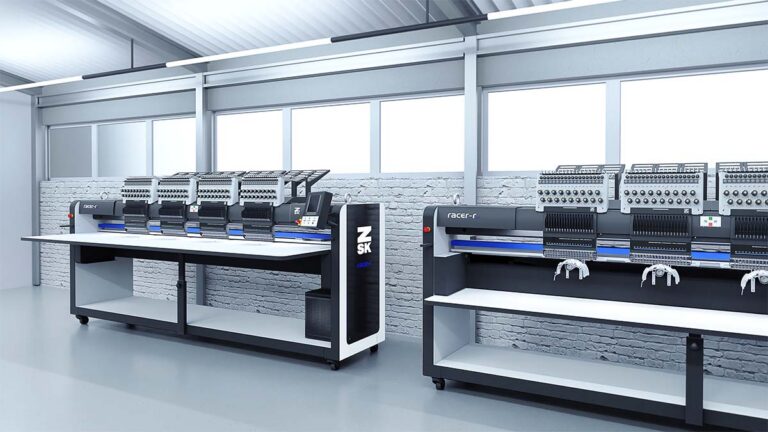
Operator ratios, U-shaped groups, thread boards, cone order, working heights and table plates.
Read the guide →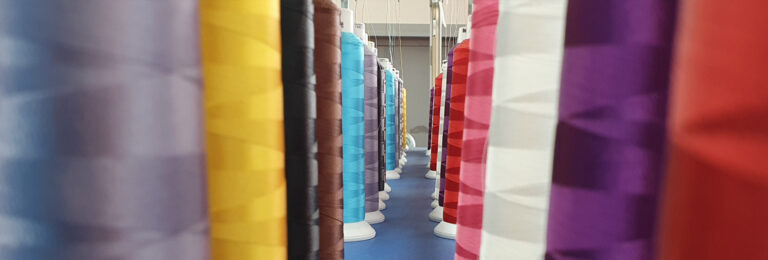
Need an answer for your specific application?
A ZSK engineer can check your designs, materials and order mix and recommend the right head type, machine concept and options. Contact ZSK or browse the machine overview. For composites and wire placement, see technical embroidery.
Buying guides, supplies & practice
Which machine and software to buy, and what goes under, through and around the fabric: backing, needles, hoops and foam – explained for the shop floor, with direct links to the matching products in the ZSK online shop.
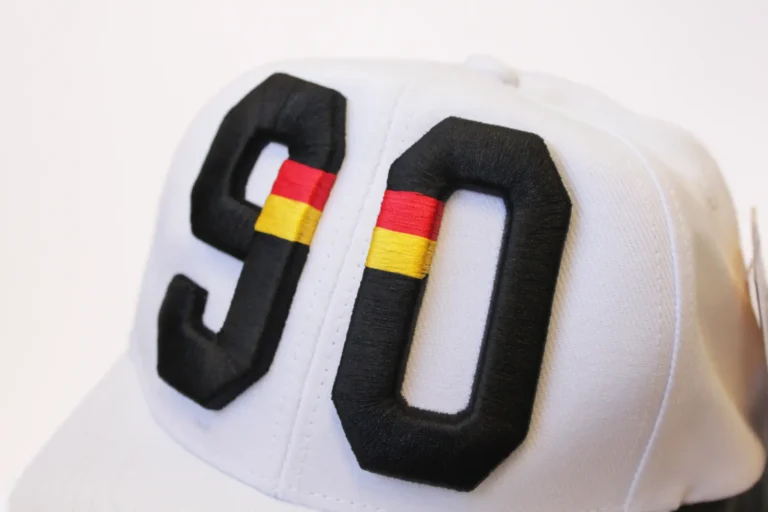
Foam thickness and hardness, digitizing rules, LGR needle, cap backing and machine settings.
Read the guide →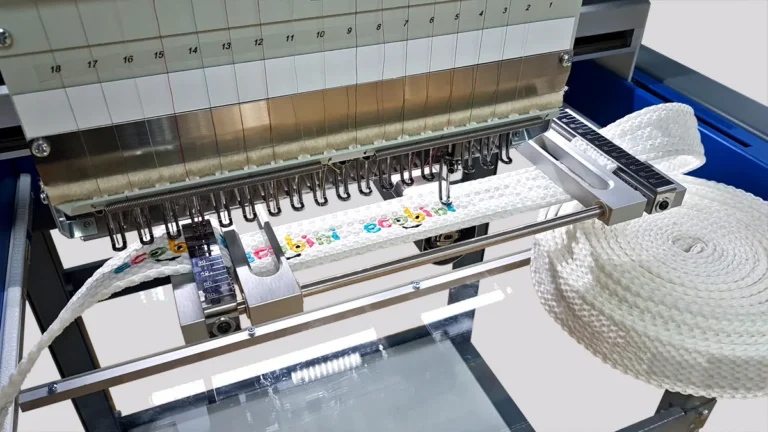
ZSK’s accessories brand: pre-cut backings, 3D puffy foam and special frames for collars, shoes, belts, towels and patches.
Read the guide →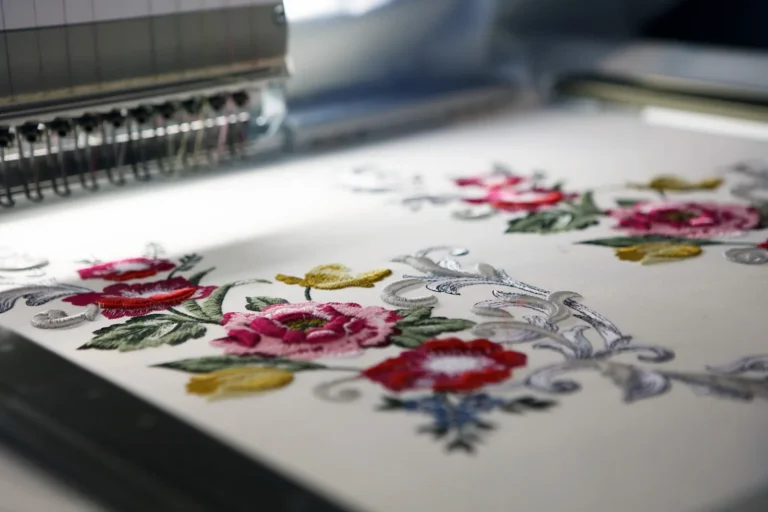
Cut-away, tear-away, cap backing and water-soluble topping – which backing for which fabric.
Read the guide →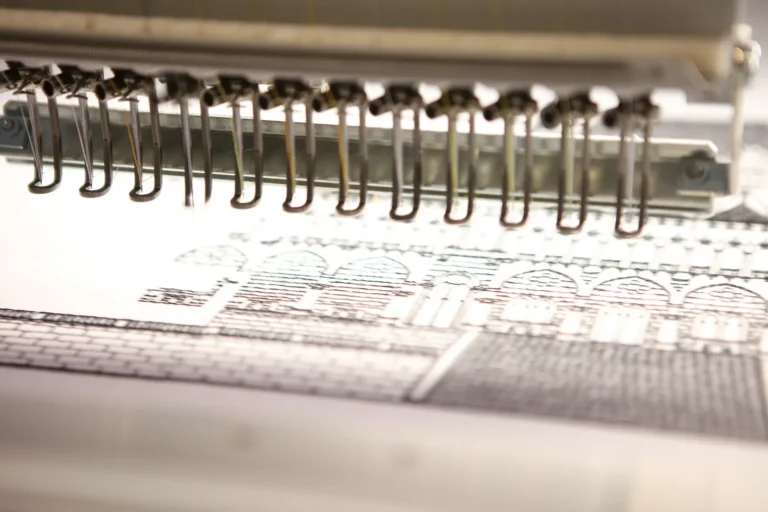
DBxK5 system, sizes like 75/11, point styles and special needles for caps, foam, leather and chenille.
Read the guide →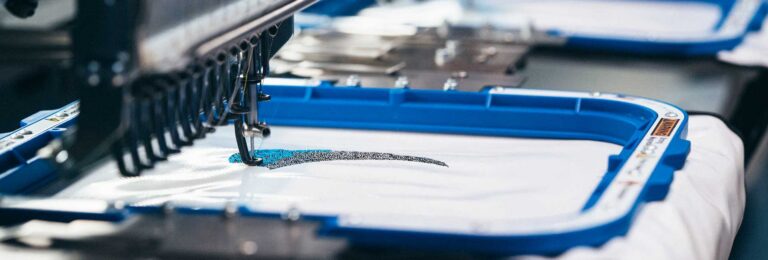
Magnetic, plastic, wooden, cap, border and special frames – which hoop fits your machine and job.
Read the guide →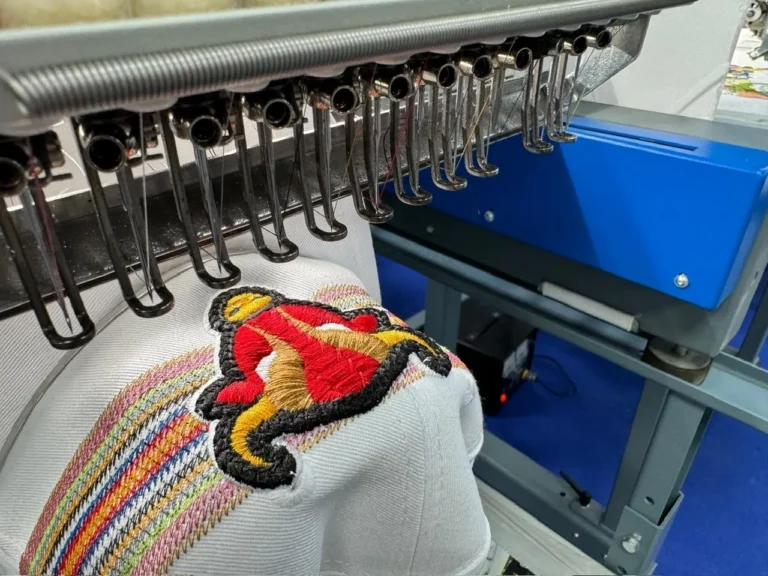
Nine criteria – needles, fields, speed, caps, tubular arm, tension, networking, software, service – and the costs beyond the machine.
Read the guide →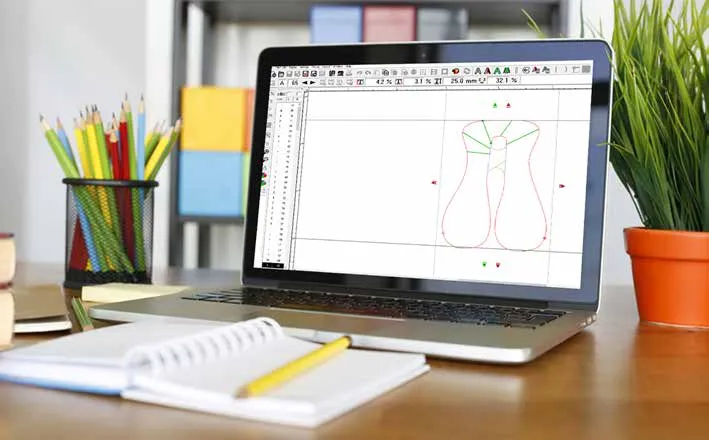
What industrial digitizing software must do – names, third-party files, machine commands – and where BasePac 10 fits.
Read the guide →Stable cap drive, firm cap frame, adjustable presser foot – and which ZSK machine fits which cap job.
Read the guide →